


Today I set up a Kubernetes cluster in my homelab – abbreviated K8s 😁.
I’ve had some professional exposure to Kubernetes before, but I wanted to run a Nextcloud installation inside Kubernetes for testing purposes in my homelab 🌐. Plus, I wanted to spend some personal time diving deeper into this tech 💻. Kubernetes and Docker in general are undeniably future tech 🚀. The idea of pursuing the CKAD (Certified Kubernetes Application Developer) certification also really appeals to me, and I found this course on Udemy to get started: CKAD Udemy Course 🎓.
🤔 What is Kubernetes Anyway?
In short, Kubernetes is an open-source platform for automating the deployment, scaling, and management of containerized applications. It allows apps to run consistently across multiple servers while efficiently using resources ⚡. Main benefits? Scalability, fault-tolerance, and simplified management of complex systems 😎.
Fun fact: Kubernetes was originally developed by Google and internally called Borg 👾.
The Kubernetes logo is a ship’s steering wheel ⚓, symbolizing the control of complex container landscapes. Interestingly, it has exactly seven spokes – a nod to the character Seven of Nine from the Borg universe 👽. This little Easter egg inspired the featured image for this post 🎨.
🛠️ My Setup
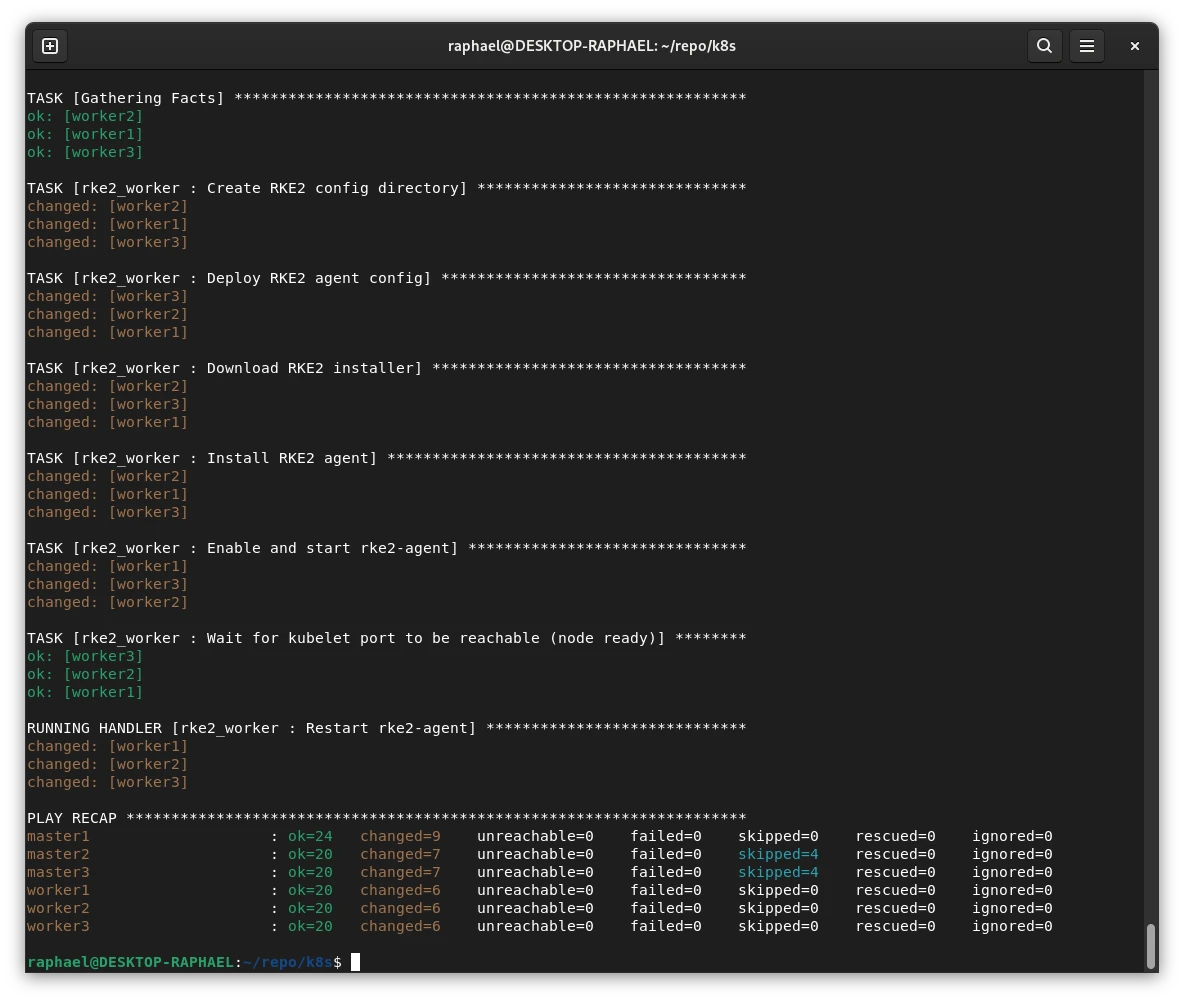
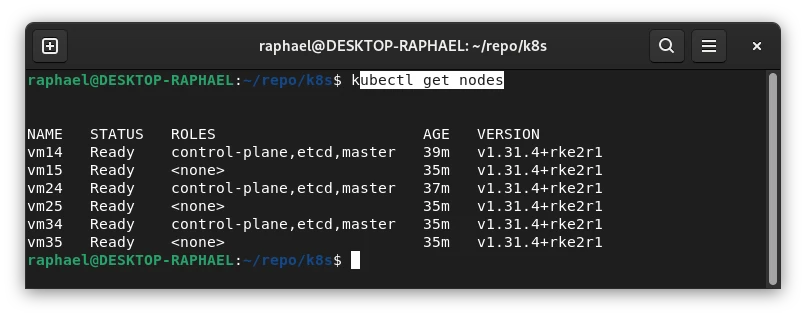
Today, I quickly generated an Ansible playbook using Claude.AI 🤖 that installed a Kubernetes cluster across 6 VMs in my homelab 🏠. On each of the 3 physical servers, I now run 2 VMs – one Master and one Worker. This serves as an initial cluster setup, and in the future I may add more Worker nodes for dedicated tasks, e.g., Longhorn storage 🗄️.
Note: Download link for the playbook: here ⬇️
( I’m not fully happy with this approach – ideally it would be an open Git repository 🐙, but I haven’t set that up yet 😅. )
⚠️ First Hiccups
Before the cluster ran smoothly, I ran into a few issues 🤯:
- Initially, I allocated only 1 CPU core to the master node in Proxmox – Kubernetes actually needs multiple cores 🧠.
- Ansible installed iptables only on the master, not on the worker nodes, causing the network stack to fail to start properly 🌐❌.
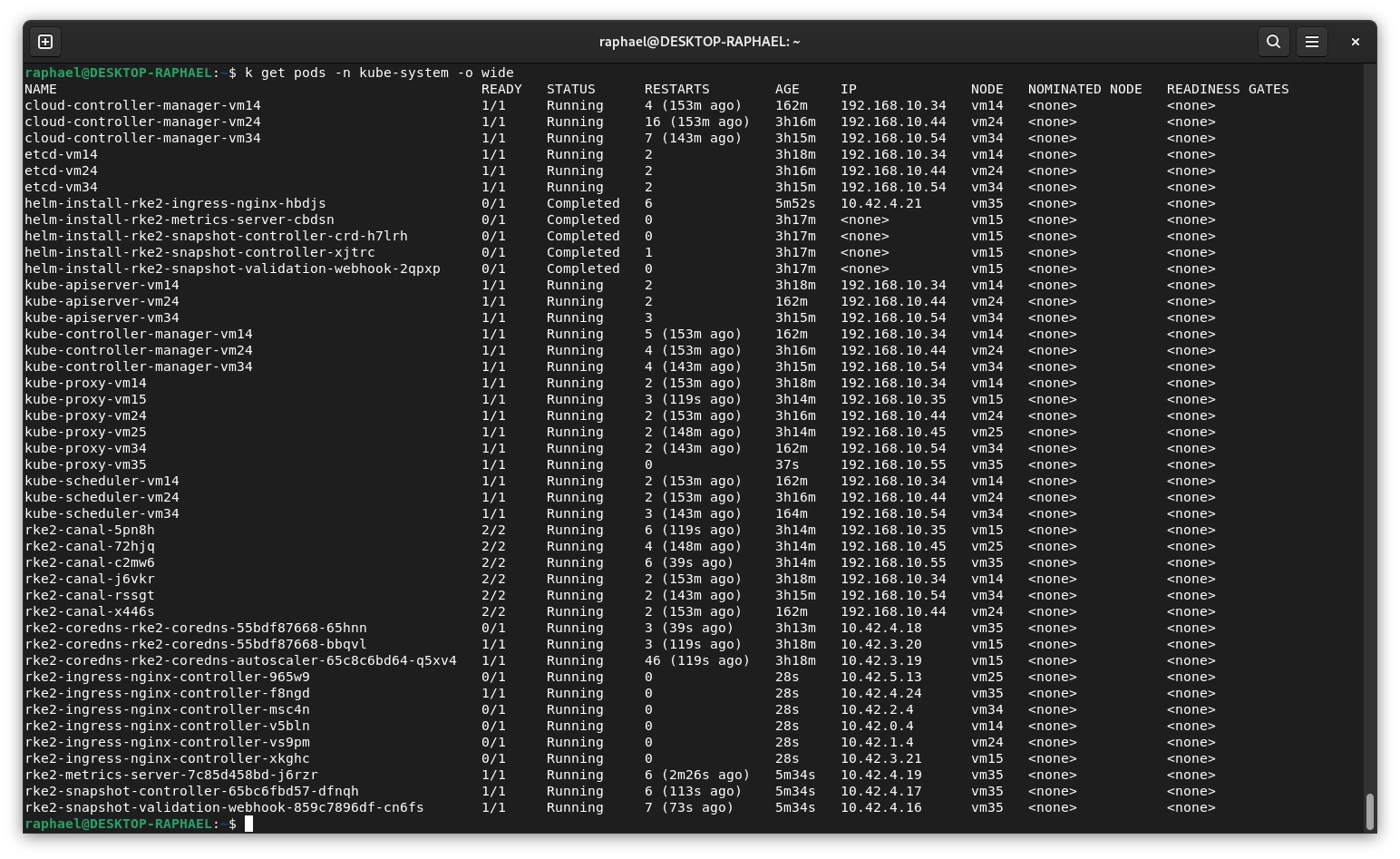
After fixing these, the cluster came up 🟢 and I could start deploying pods 🐳.
🔮 Outlook
Next, I plan to deploy Nextcloud inside Kubernetes and test how storage, backups, and updates behave in a clustered environment 💾. This is a hands-on way to learn Kubernetes, Docker, and network management in a homelab 🖥️ – without risking production systems 🚫⚡.